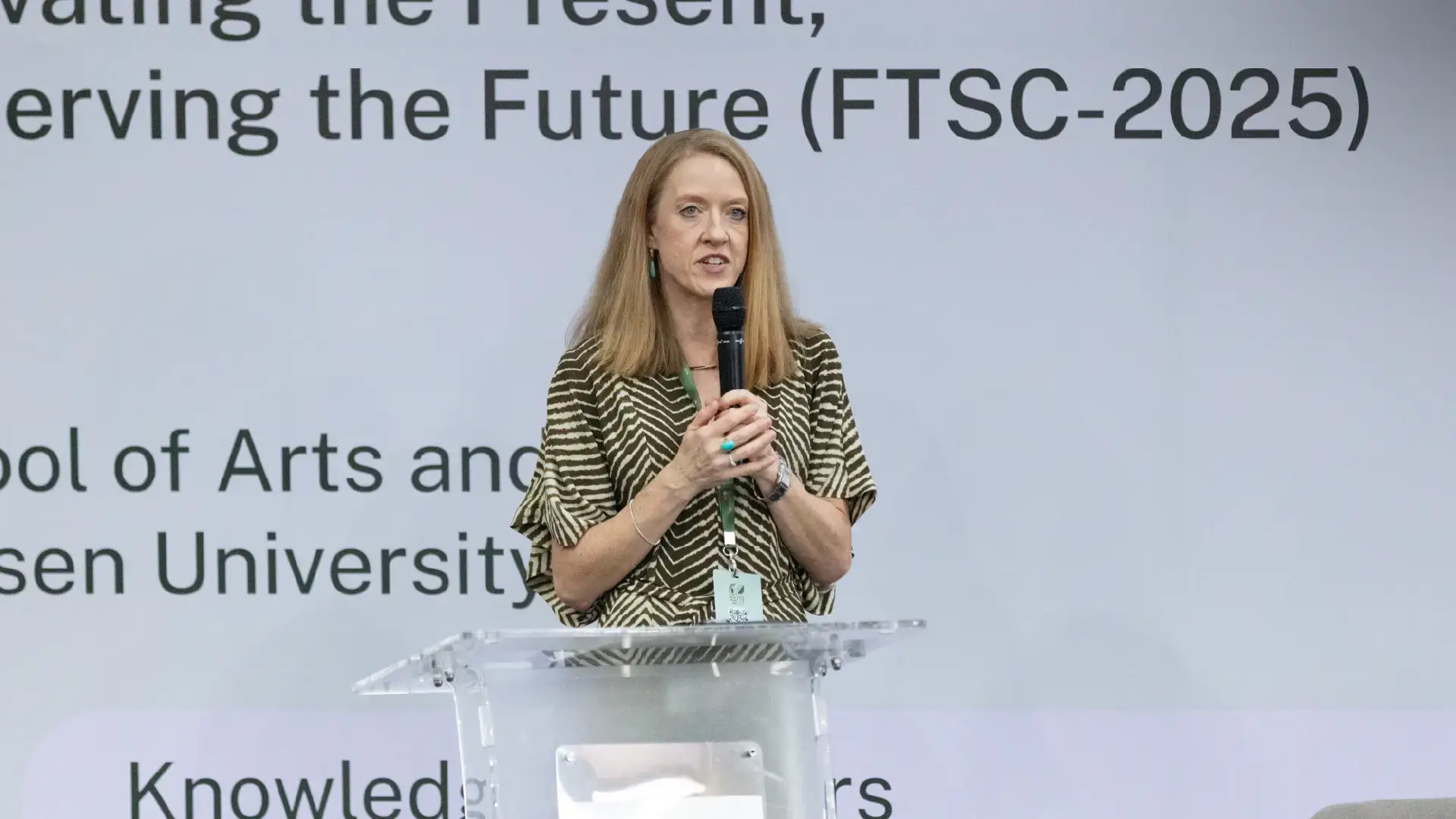
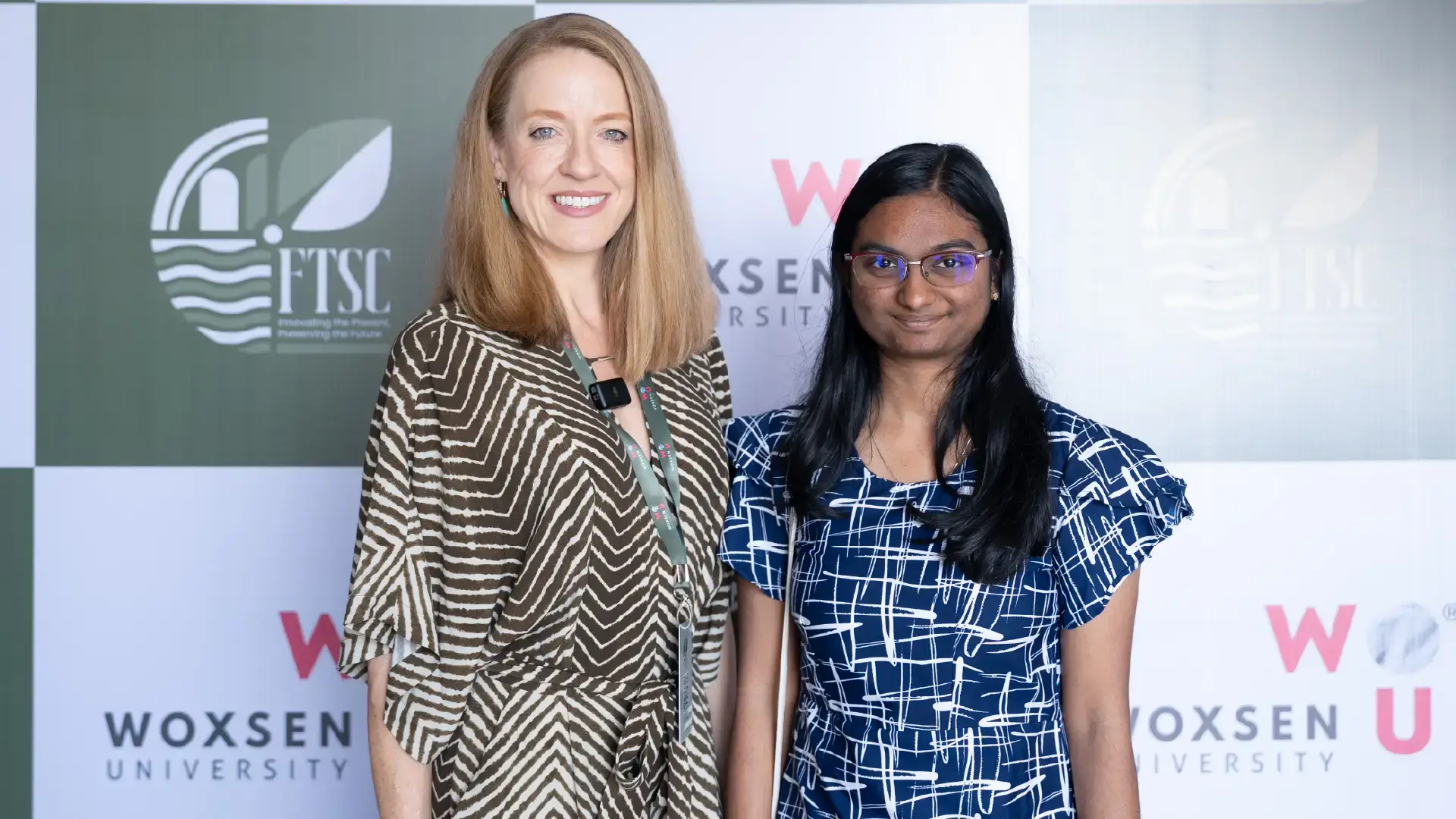
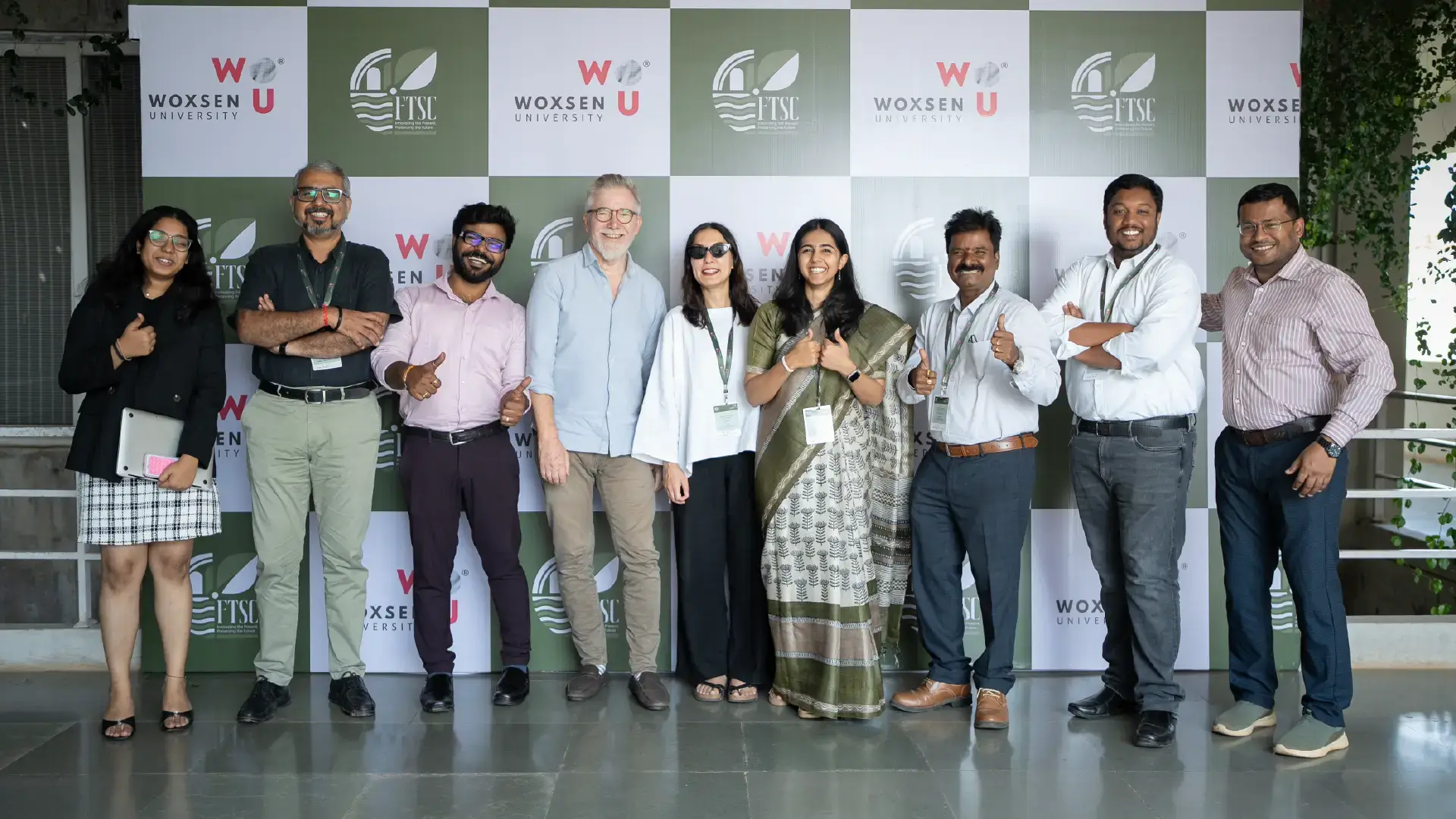
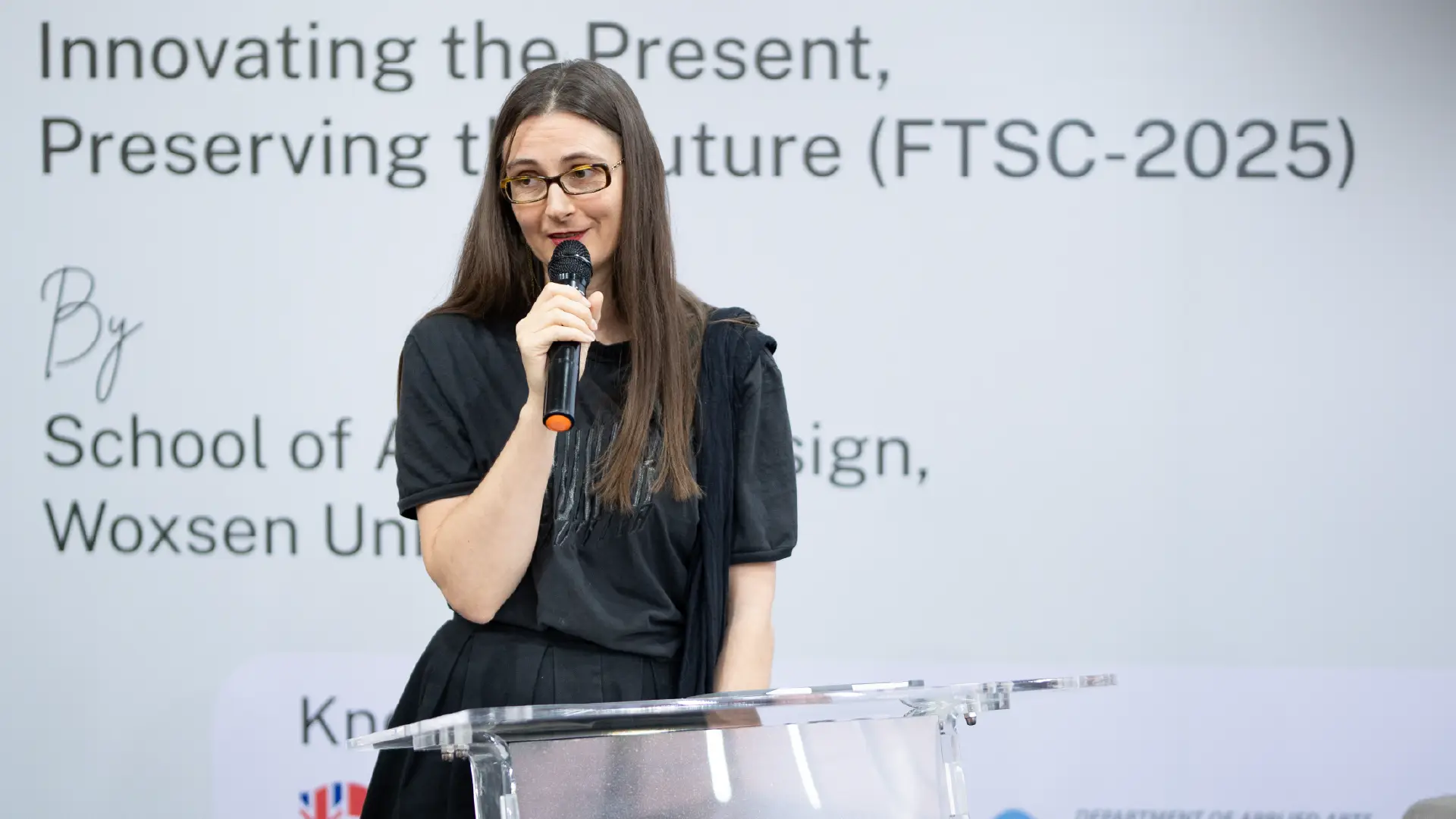
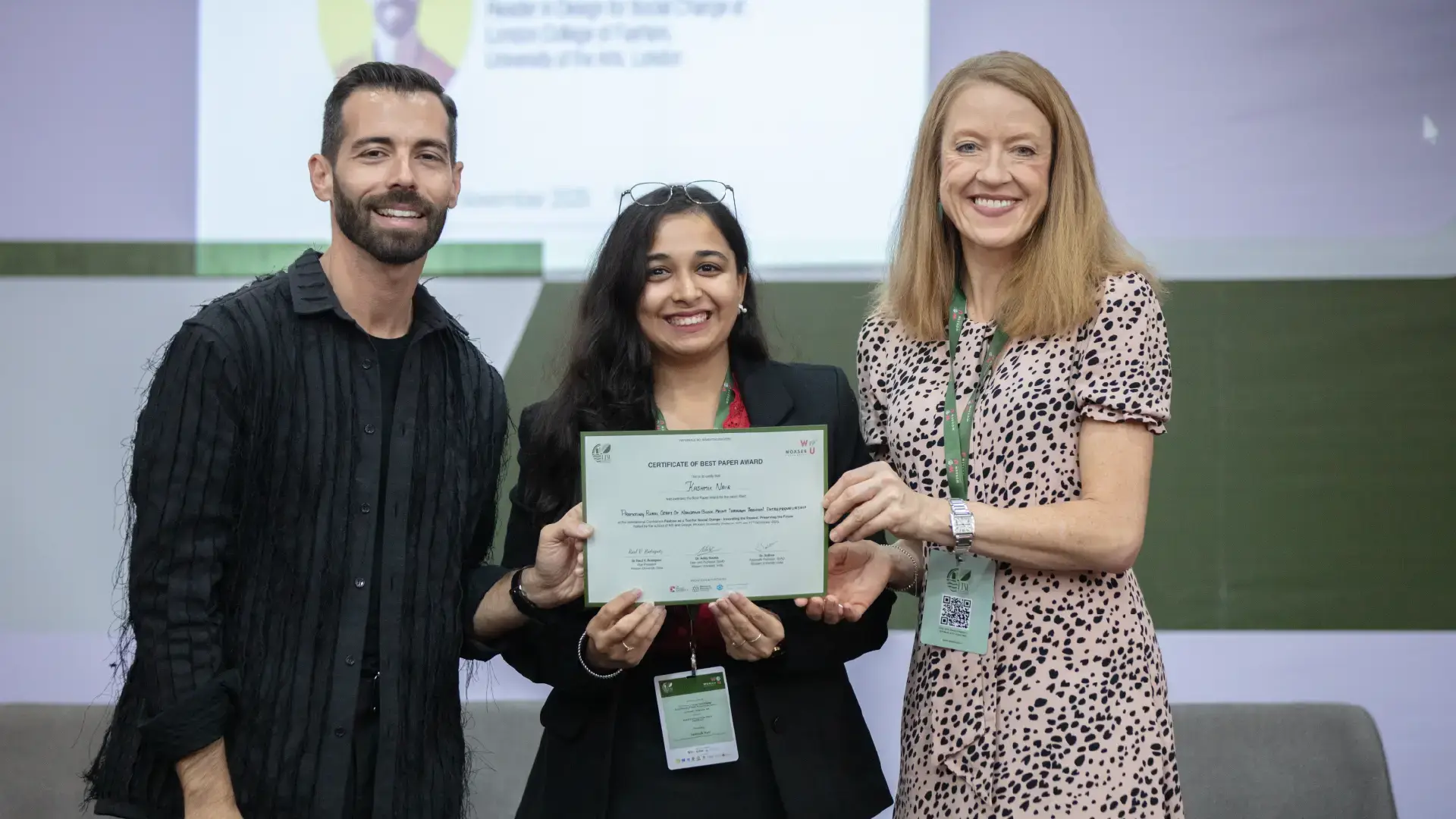
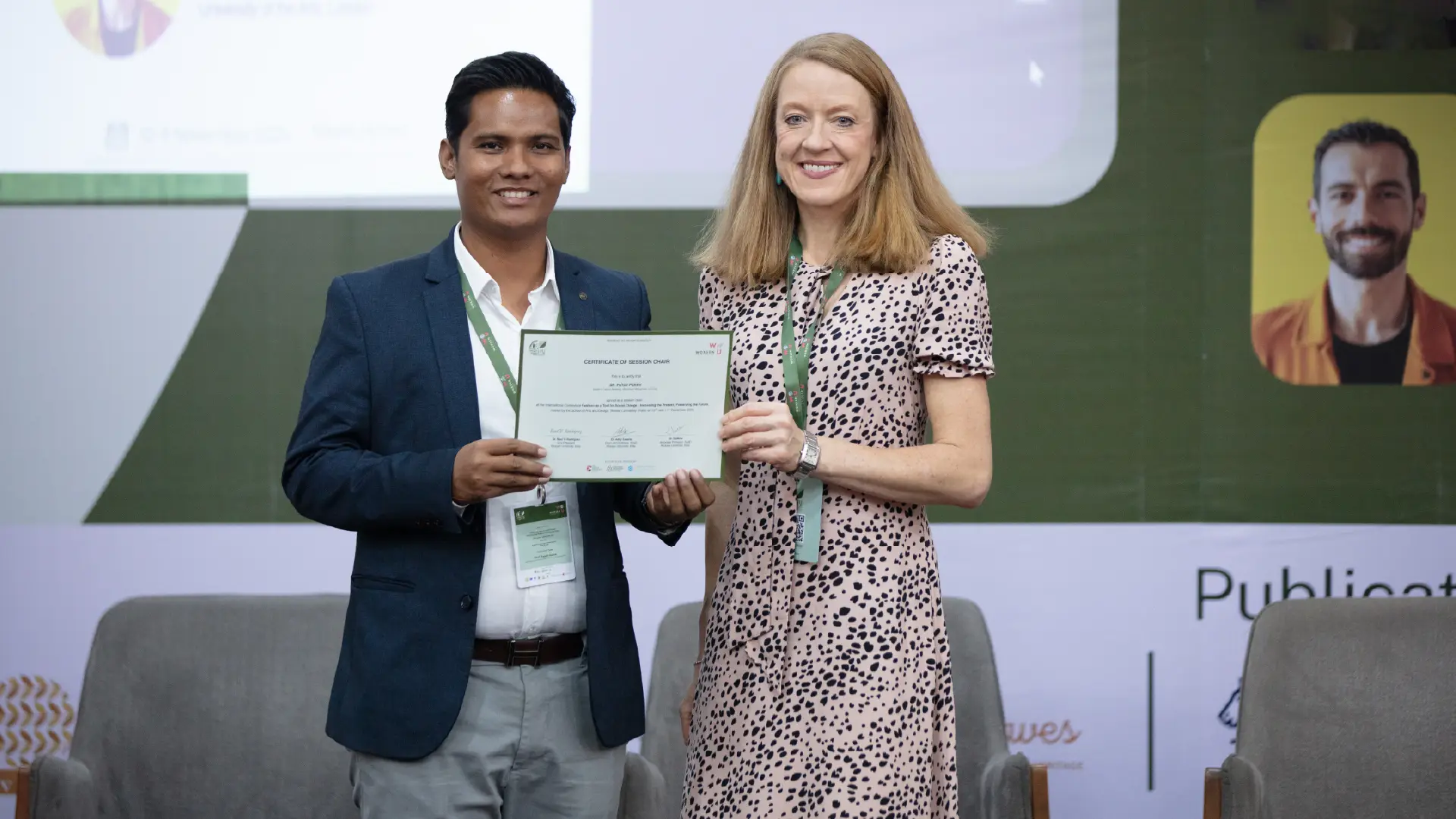
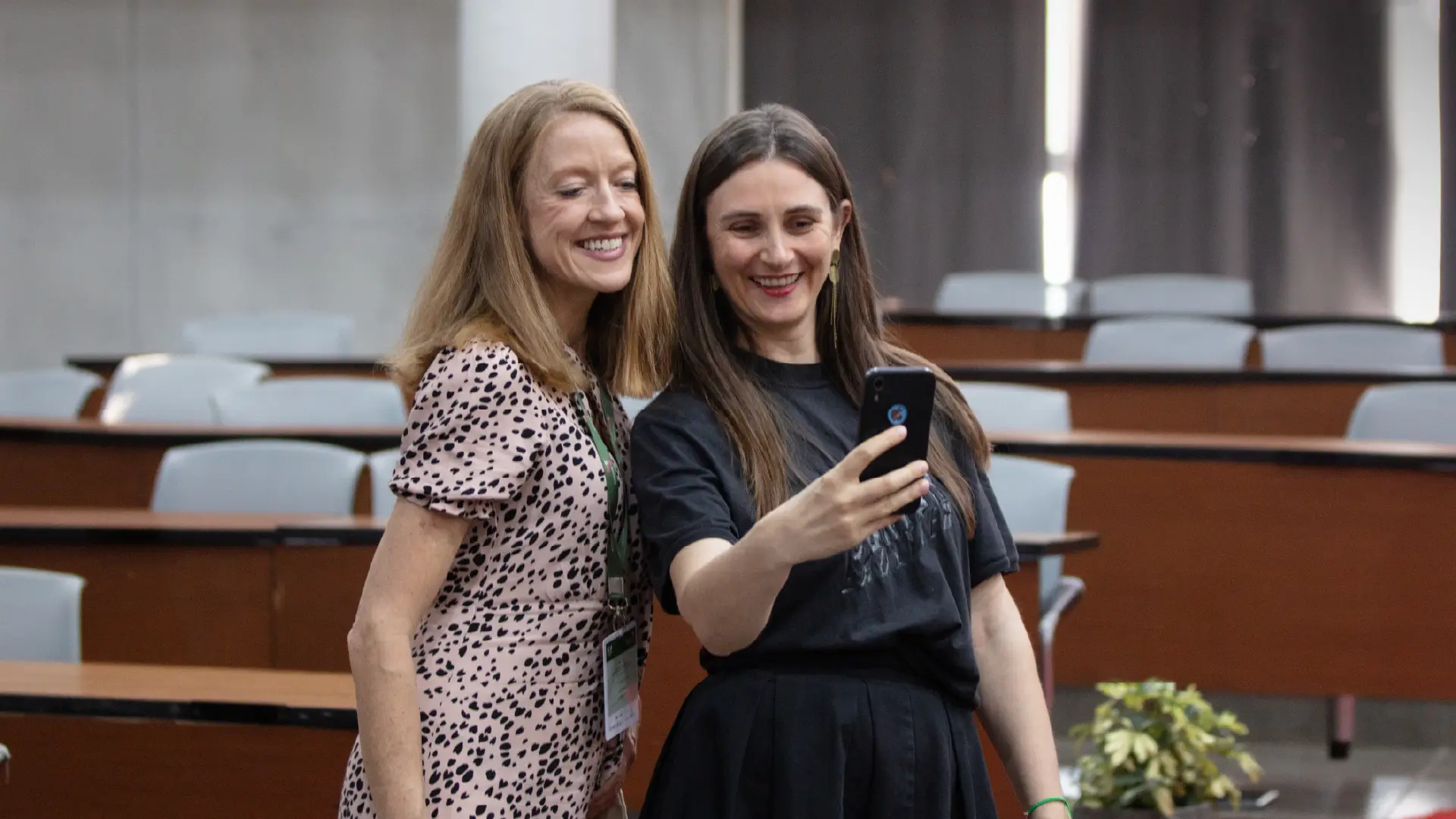
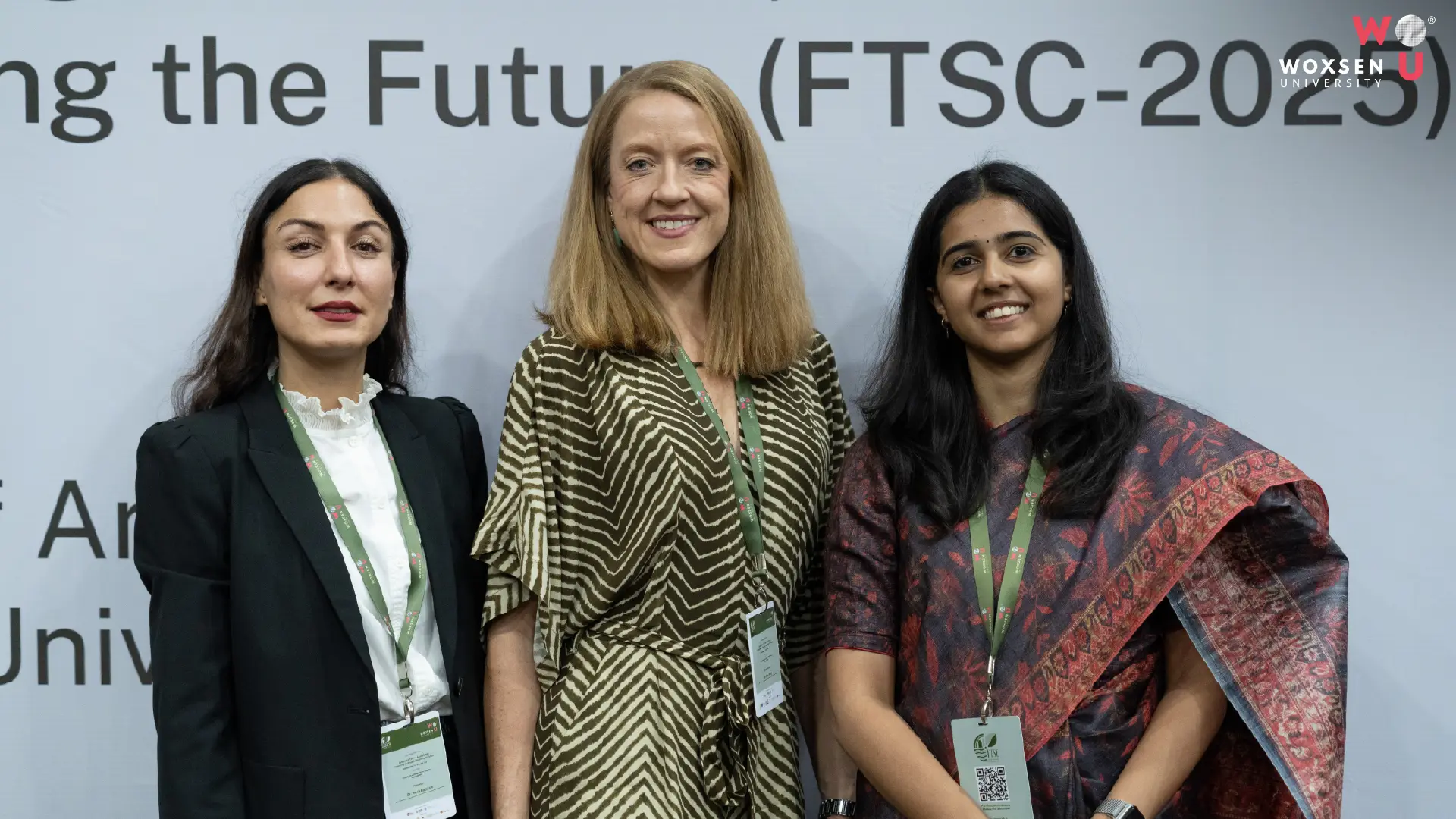
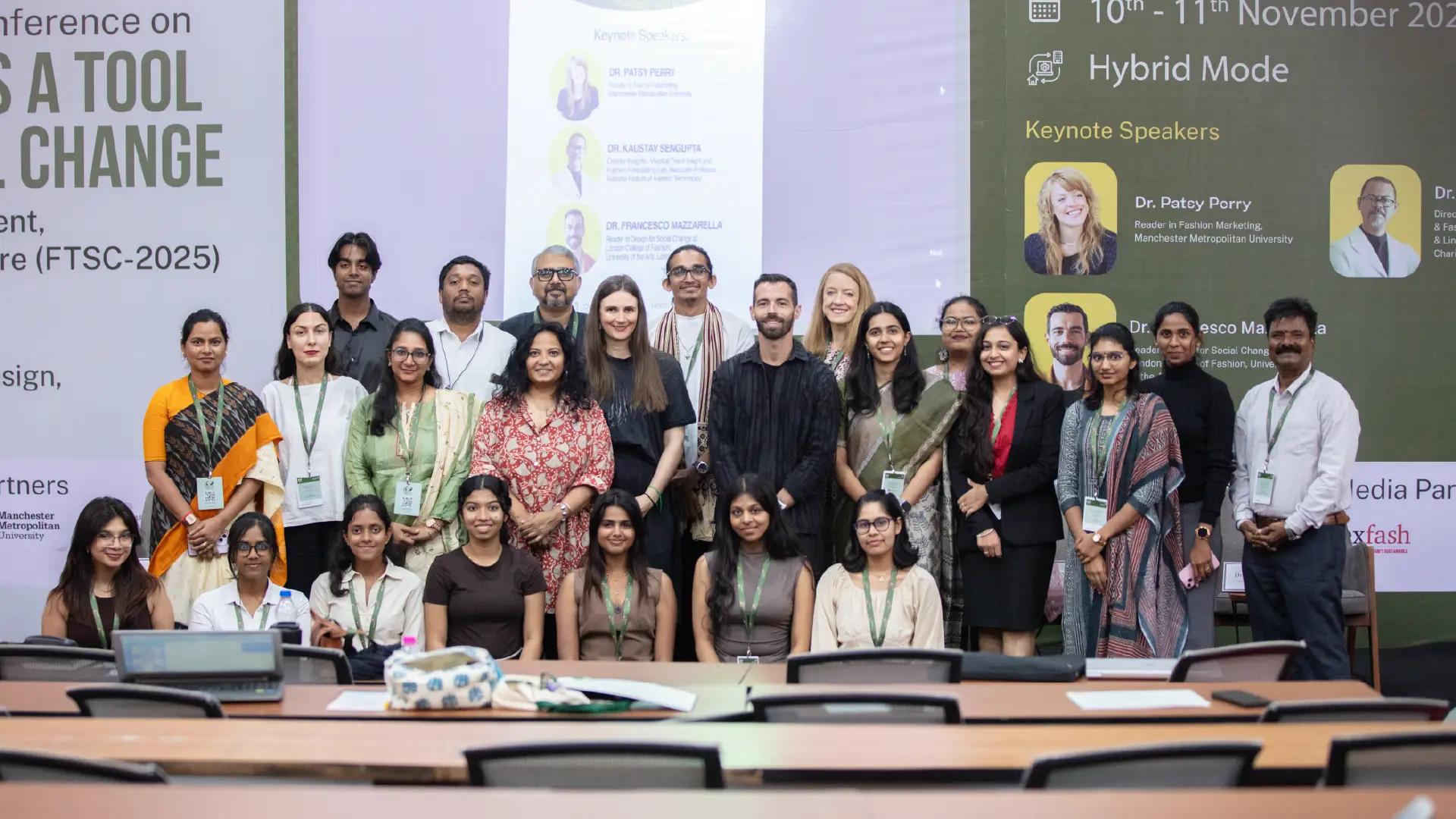
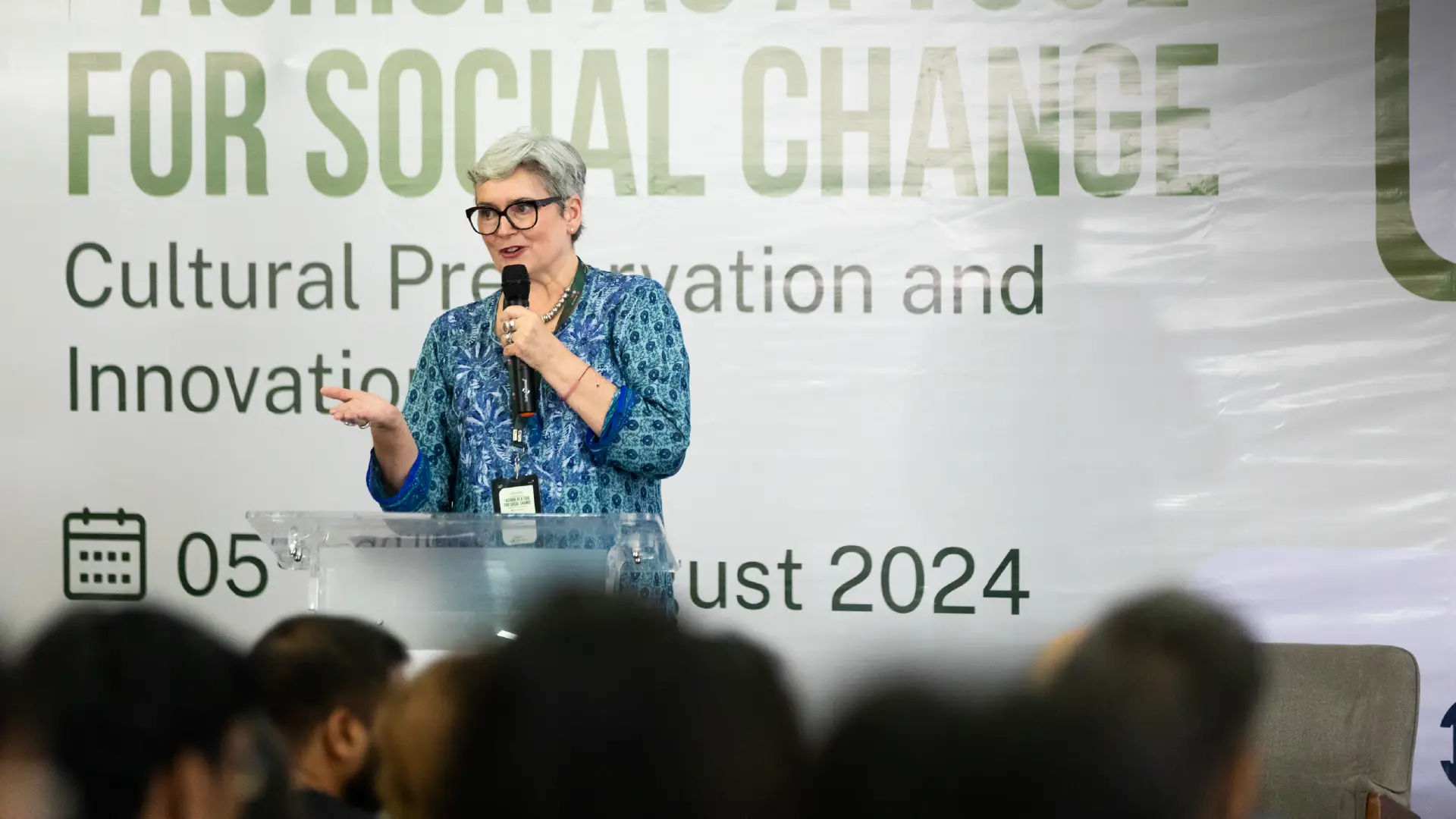
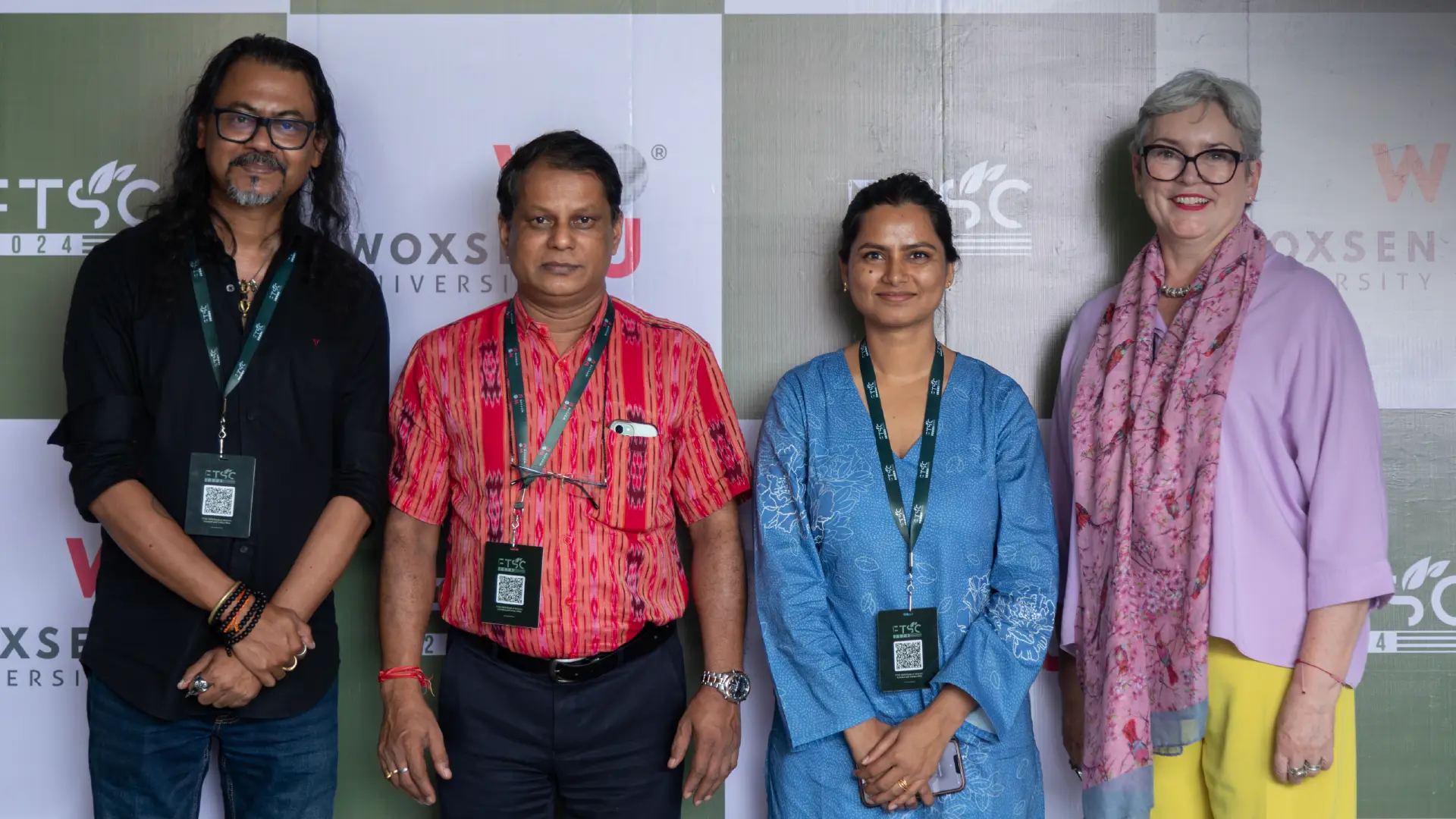
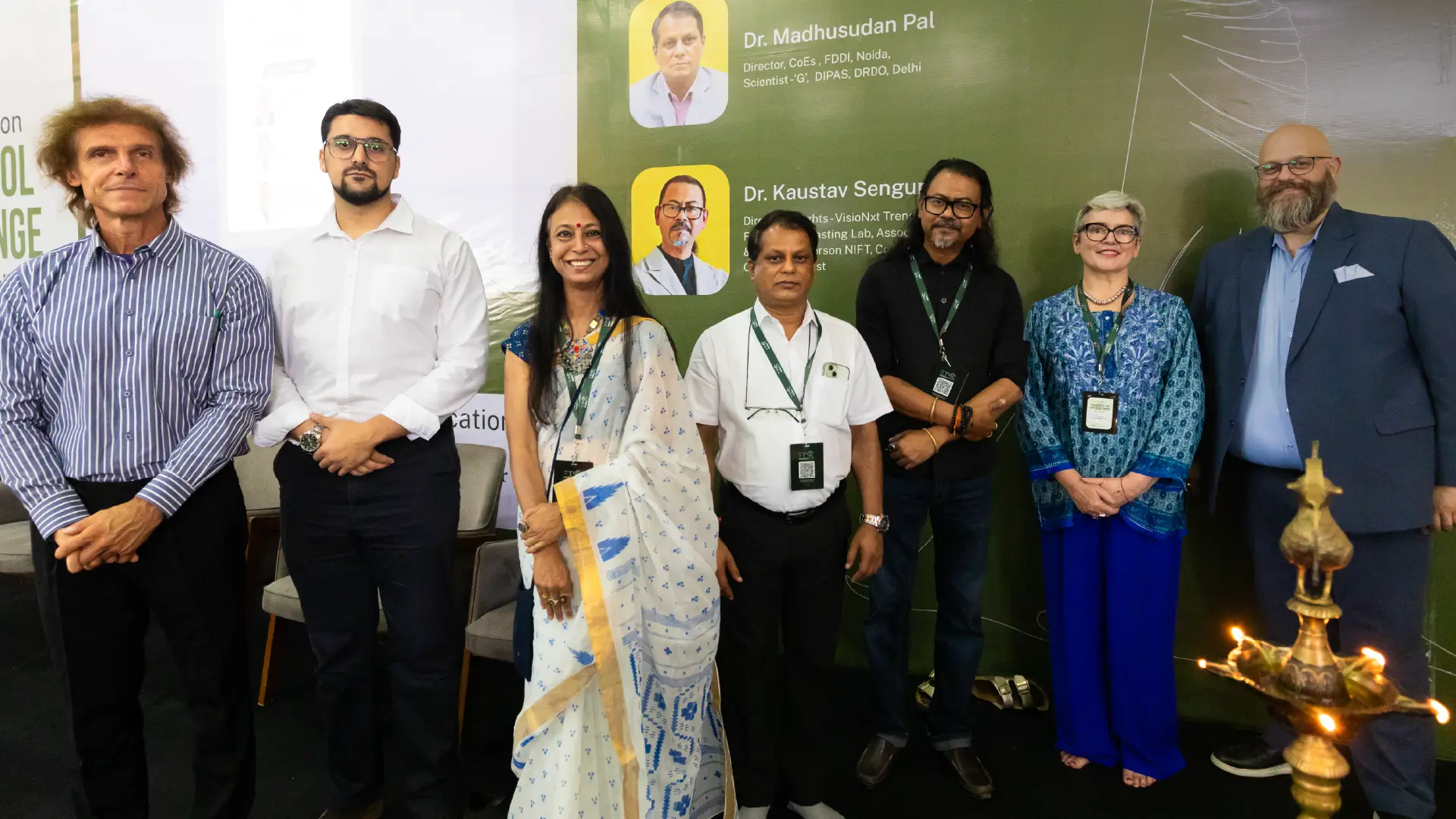
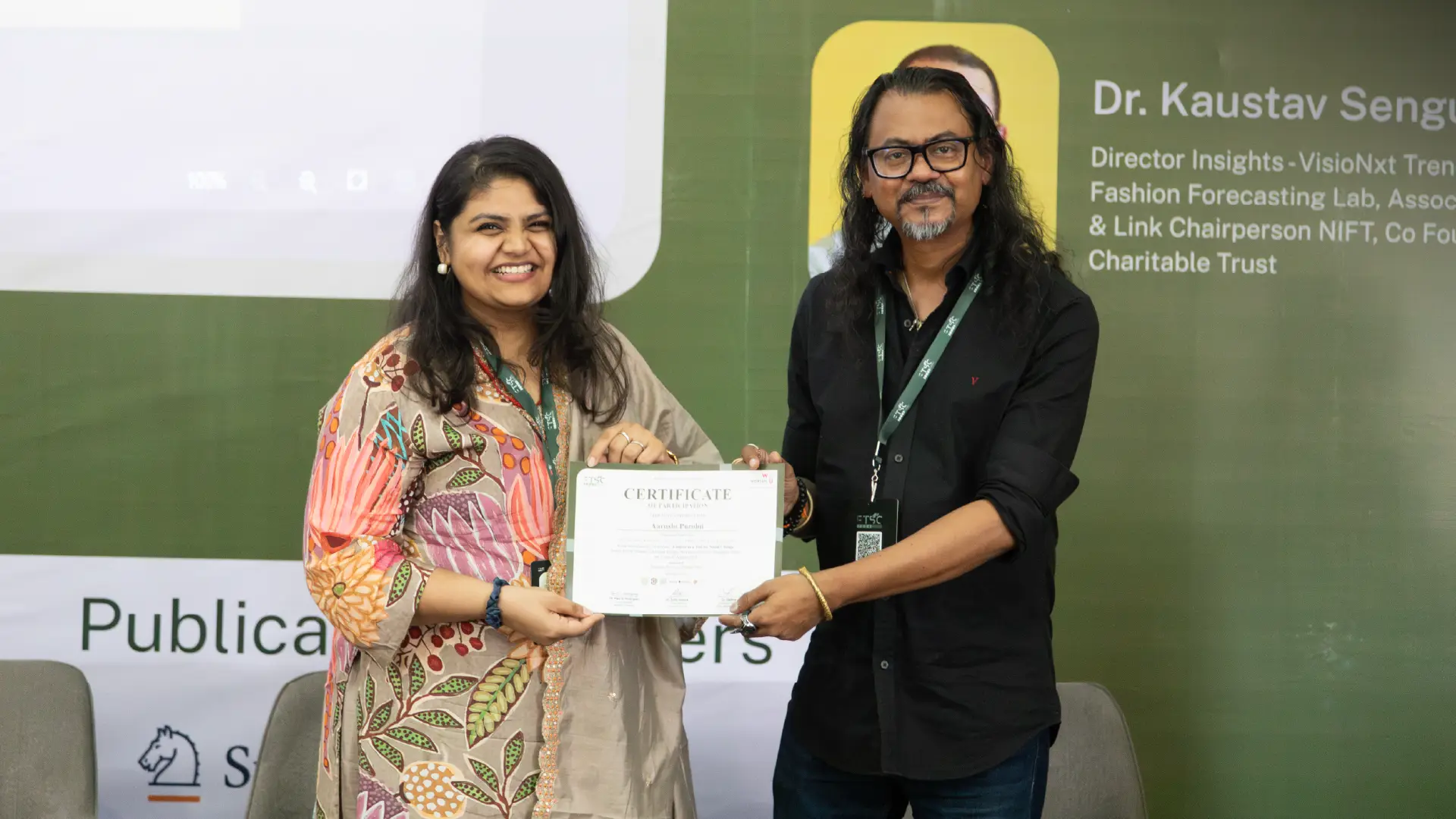
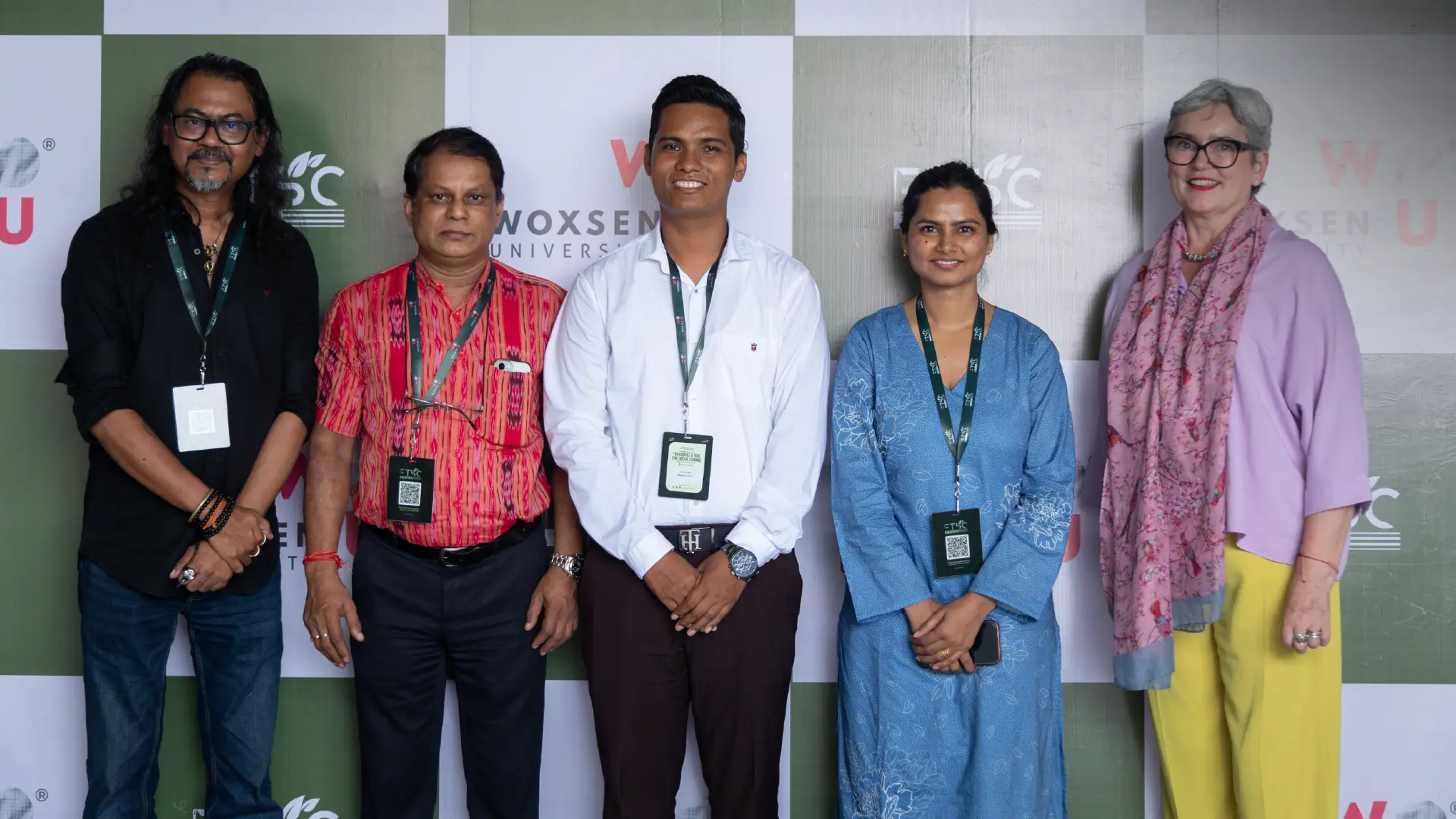
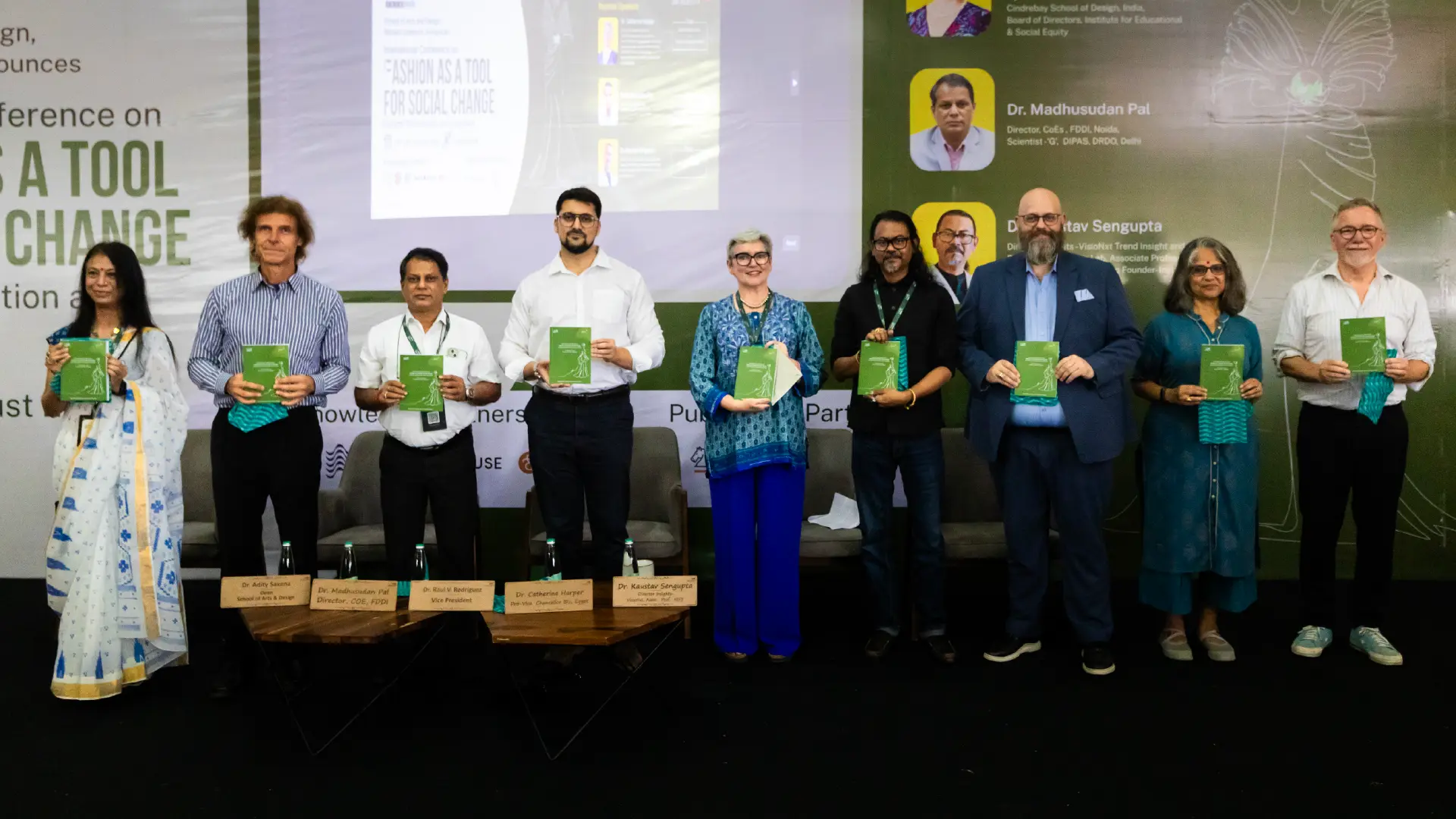
The 4th edition of the Fashion as a Tool for Social Change (FTSC–27) conference brings together academicians, researchers, designers, industry professionals, policymakers, and craft practitioners to examine the evolving role of fashion in society. Organized by the School of Arts and Design, Woxsen University, FTSC–27 continues its commitment to positioning fashion as a discipline that contributes meaningfully to social, cultural, economic, and environmental development.
FTSC–27 builds upon the achievements of previous editions and moves the discussion toward practical and research-driven solutions. The conference focuses on how fashion can respond to contemporary global challenges such as climate change, resource depletion, cultural erosion, technological transformation, and social inequality.
A key emphasis of FTSC–27 is regenerative and circular practice. The conference encourages research on sustainable materials, responsible production systems, zero-waste design, and circular economy models that reduce environmental impact and promote long-term ecological balance.
The conference also highlights the importance of preserving cultural heritage. It supports dialogue on reviving indigenous crafts, promoting ethical collaborations between designers and artisans, and ensuring cultural authenticity in contemporary design practices.
Technology is another important dimension of FTSC–27. The conference explores the responsible use of Artificial Intelligence (AI), blockchain, digital fashion platforms, and wearable technologies to enhance transparency, efficiency, and creative processes, while also addressing ethical and social concerns. Inclusivity and social empowerment remain central themes. FTSC–27 encourages discussions on adaptive fashion, gender-inclusive design, equitable representation, and economic empowerment through entrepreneurship and skill development.
By integrating academic research with industry practice and policy dialogue, FTSC–27 aims to create a collaborative platform that supports innovation, accountability, and measurable impact. The conference reaffirms that fashion is not only about aesthetics and commerce, but also about cultural dialogue, environmental responsibility, and social progress.
Objectives
- Promote regenerative and circular fashion through sustainable materials and zero-waste systems.
- Encourage responsible use of AI, blockchain, and digital tools in the fashion industry.
- Support the preservation of indigenous crafts and ethical collaborations.
- Advance inclusive, adaptive, and socially responsive design practices.
- Strengthen entrepreneurship, craft development, and policy dialogue to support equitable growth
The School of Arts and Design (SOAD) stands as a hub of creative excellence and socially responsive design education. Ranked #2 in India and #1 at the state level by IIRF 2025, SOAD redefines design as a powerful tool for innovation and social impact. Its pedagogy integrates sustainability, interdisciplinary thinking, and strong industry alignment, enabling students to address complex global challenges through design-led solutions.
At SOAD, students are nurtured as critical thinkers and responsible practitioners, equipped with research capabilities, market awareness, and cultural sensitivity. The curriculum blends craft, technology, and real-world engagement, encouraging learners to see design not merely as aesthetics, but as a medium for meaningful change. In the context of global conversations such as fashion as a tool for social cause, SOAD continues to champion design as a transformative force—shaping individuals who contribute thoughtfully to society and the creative economy.
Building upon the success of FTSC 2023 and 2024, which explored "Fashion as a Tool for Social Change: Cultural Preservation and Innovation," and FTSC 2025, which advanced the vision of "Fashion as a Visionary Tool for Societal Impact: Innovating the Present, Preserving the Future," FTSC 2027 moves the dialogue further by introducing the theme:
Fashion as a Regenerative System: Designing Equity, Technology, and Culture for a Resilient Future
This theme reflects the growing need to move beyond sustainability toward regeneration. While sustainability focuses on reducing environmental harm, regeneration emphasizes restoring ecosystems, strengthening cultural systems, and building equitable economic structures. FTSC 2027 encourages participants to critically examine how fashion can function as a responsible and accountable system that contributes to long-term social and environmental resilience.
The theme aligns with urgent global priorities, including climate responsibility, ethical production, digital transformation, and social equity. It highlights fashion’s capacity to integrate traditional knowledge with contemporary innovation, ensuring that progress does not come at the cost of cultural integrity or ecological balance.
FTSC 2027 will emphasize the role of fashion and textiles in:
- Developing circular and climate-responsive design systems
- Preserving and revitalizing indigenous crafts and cultural narratives
- Integrating emerging technologies such as AI and blockchain responsibly
- Promoting inclusivity, diversity, and adaptive design
- Creating fair and transparent economic models
By introducing focused subthemes and research tracks, the conference seeks to strengthen academic inquiry and industry collaboration. FTSC 2027 aims to redefine fashion as a structured, regenerative, and socially responsive discipline capable of shaping a more equitable and resilient future.
Abstracts from students and researchers are invited in the form of oral and poster presentations. All those desirous of participating and/or presenting in the conference are requested to complete the online abstract submission. Authors are requested to send one-page abstract in the prescribed format as given.
All selected Abstracts for FTSC 2027 conference will be published in a Book of Abstracts with an ISBN number.
Selected papers from the FTSC 2027 conference will be published by TEXTILE: Cloth and Culture Journal (SCOPUS, Q2) and Springer as a Proceedings book volume (SCOPUS).
Regenerative Textiles and Climate-Responsive Design
- Bio-based and biodegradable materials
- Circular production systems
- Zero-waste pattern engineering
- Life Cycle Assessment (LCA) and impact measurement
- Carbon-neutral and climate-positive models
Track 1
Digital Innovation and Intelligent Fashion Systems
- AI-assisted design and forecasting
- Blockchain for supply chain transparency
- Digital fashion and virtual platforms
- Wearable technologies for health and social good
- Ethical implications of automation
Track 2
Cultural Narratives and Heritage Futures
- Revival and documentation of indigenous crafts
- Ethical designer–artisan collaborations
- Cultural authenticity and intellectual property
- Craft cluster development and policy engagement
Track 3
Inclusivity, Diversity, and Social Justice
- Adaptive fashion for persons with disabilities
- Gender-fluid and body-inclusive design
- Representation in fashion media and communication
- Fashion as activism and community engagement
Track 4
Circular Economy and Entrepreneurship
- Repair, reuse, resale, and rental ecosystems
- Social enterprises and rural innovation models
- Fashion incubation and start-up development
- Labour rights and regulatory frameworks
Track 5
Early Bird (Before 15 Oct 2026)
Academics,Corporate,Participants
India (offline): Rs. 7000 (GST included)
International (offline): $76
India (Online): Rs. 6000 (GST included)
International (Online): $65
Students
India (offline): Rs. 5000 (GST included)
International (offline): $54
India (Online): Rs. 4000 (GST included)
International (Online): $43
After 15 Oct 2026
Academics,Corporate,Participants
India (offline): Rs. 8500 (GST included)
International (offline): $92
India (Online): Rs. 7000 (GST included)
International (Online): $76
Students
India (offline): Rs. 6000 (GST included)
International: (offline) $65
India (Online): Rs. 5000 (GST included)
International (Online): $54